IWO brings East German hydrogen perspectives to Brussels and advocates for reliable investment conditions
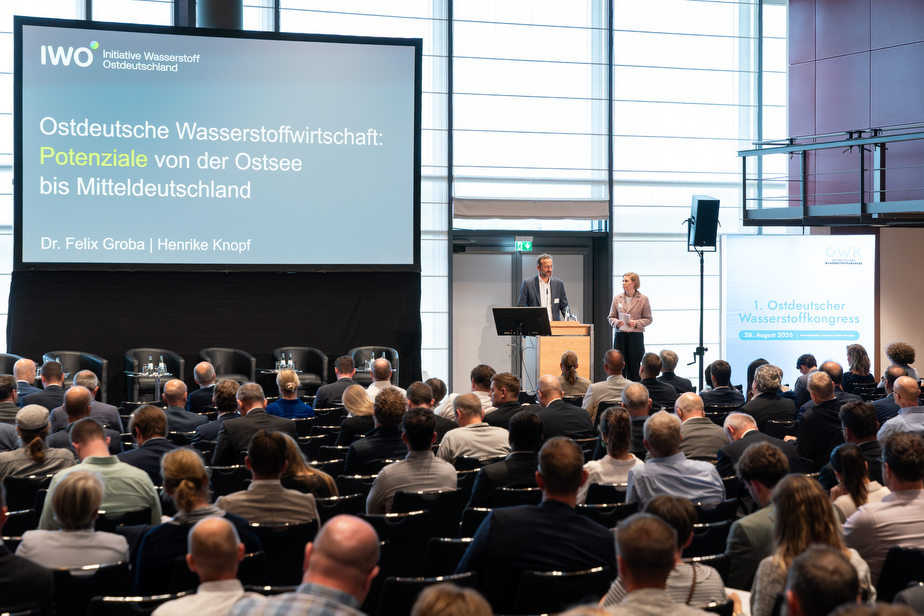
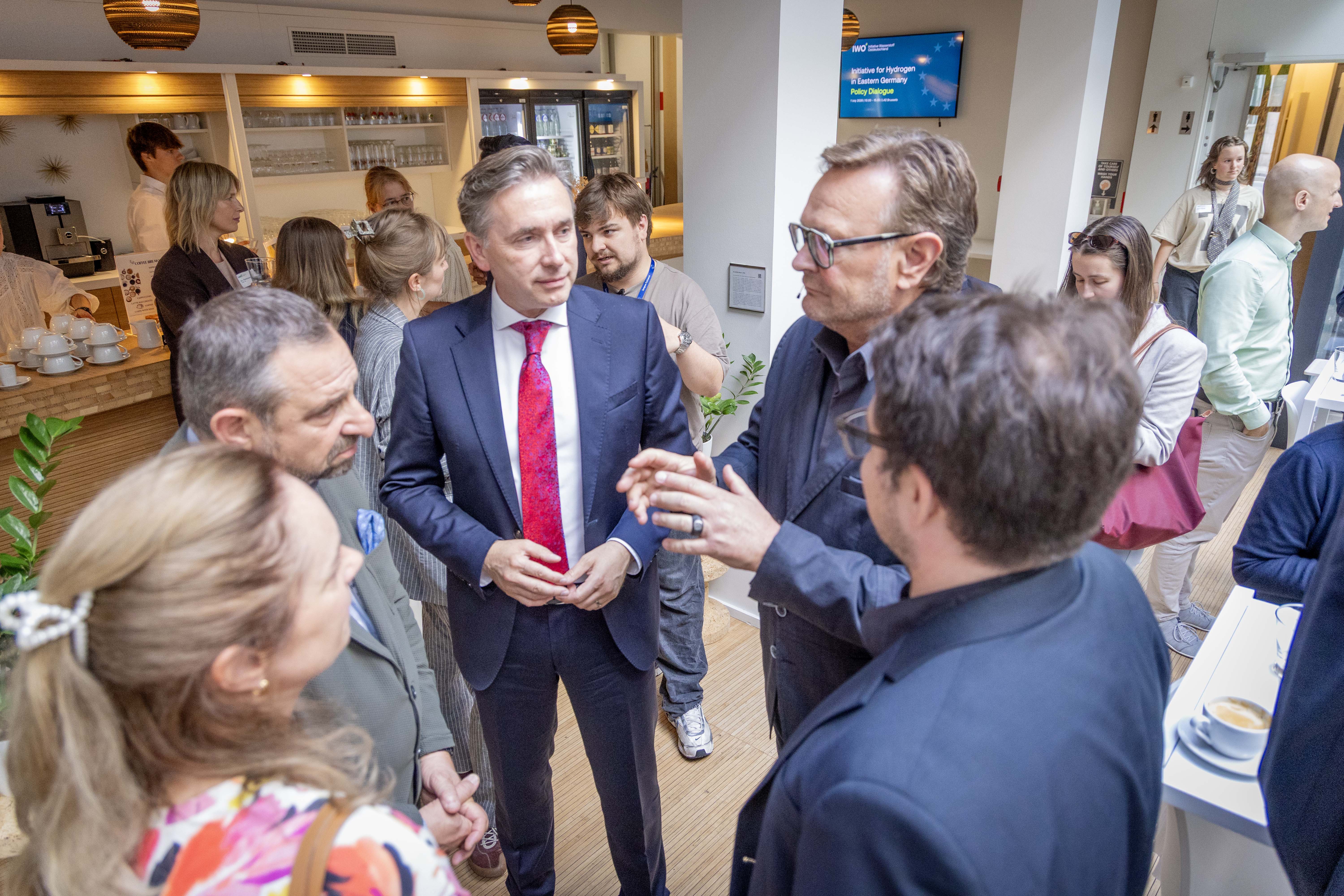
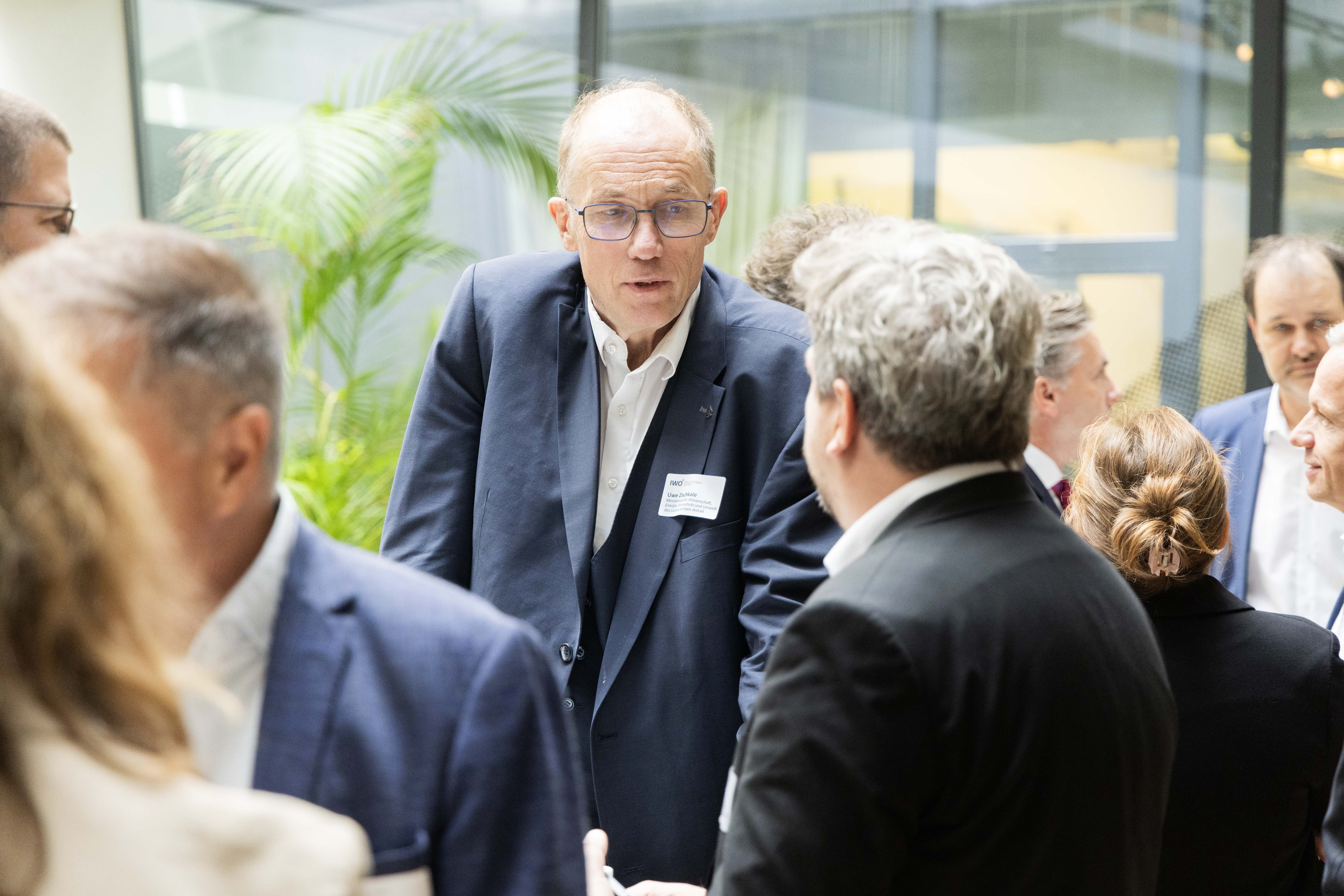
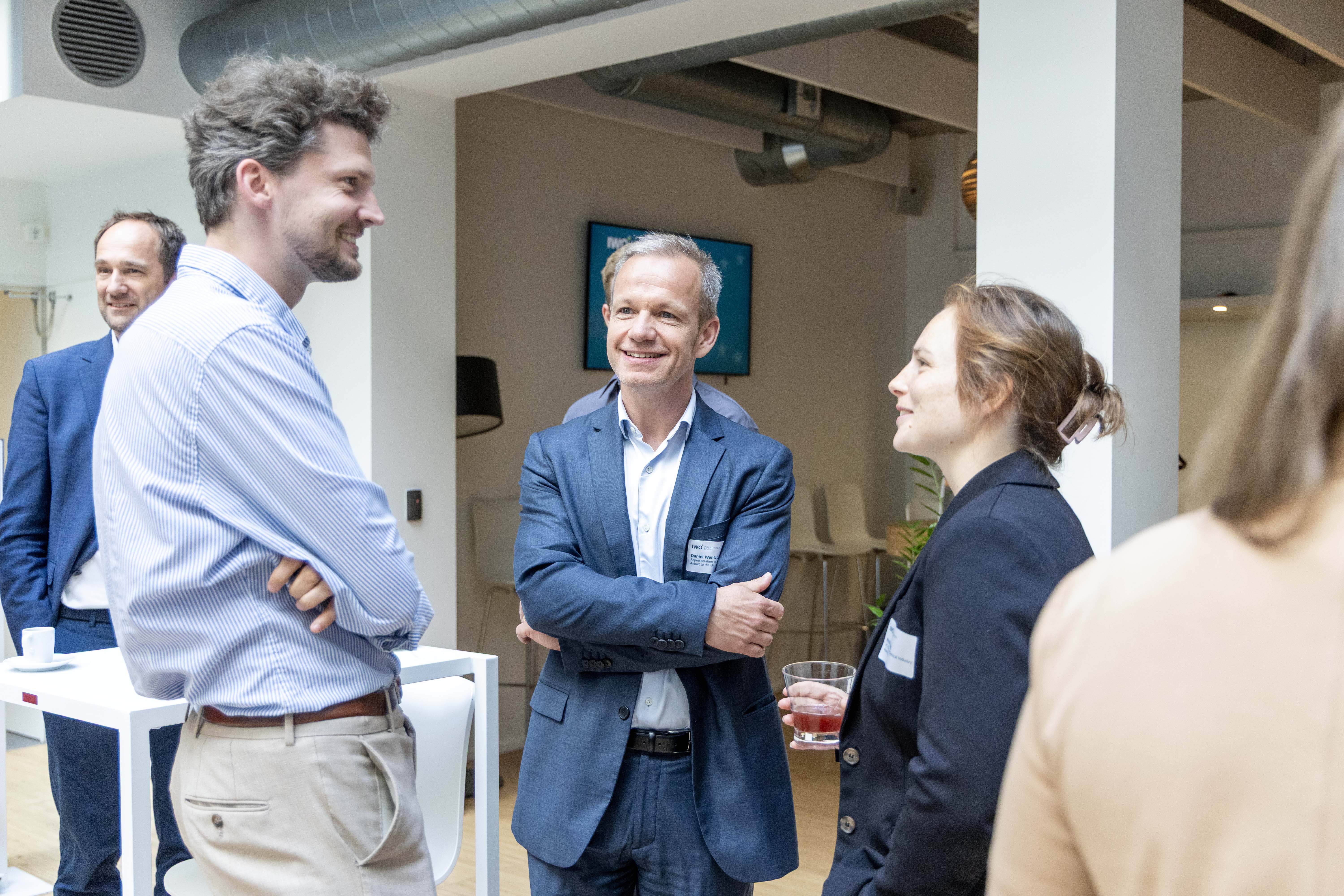
Brussels, July 2, 2026 – Numerous hydrogen projects are currently being developed across the entire value chain in eastern Germany. However, the regulatory and political framework for their implementation is largely shaped at the European level. Against this backdrop, the Initiative for Hydrogen in Eastern Germany (IWO) brought together representatives of the European Commission, the European Parliament, the eastern German federal states, as well as industry and public administration at the IWO Policy Dialogue in Brussels on July 1.
“Eastern Germany has strong hydrogen projects, industrial expertise and excellent conditions for scaling up the hydrogen economy. With the Policy Dialogue, we brought these perspectives directly into the European debate and strengthened dialogue with European decision-makers,” said Dominik Härle, Managing Director of the IWO.
Hydrogen as an Opportunity for Eastern Germany and Europe
At the start of the event, Elisabeth Kaiser, State Minister and Federal Government Commissioner for Eastern Germany, emphasized in a video message the importance of eastern Germany as an energy and hydrogen region. She highlighted the opportunities for value creation, employment and industrial development and underlined the importance of European cooperation for successfully building the hydrogen economy.
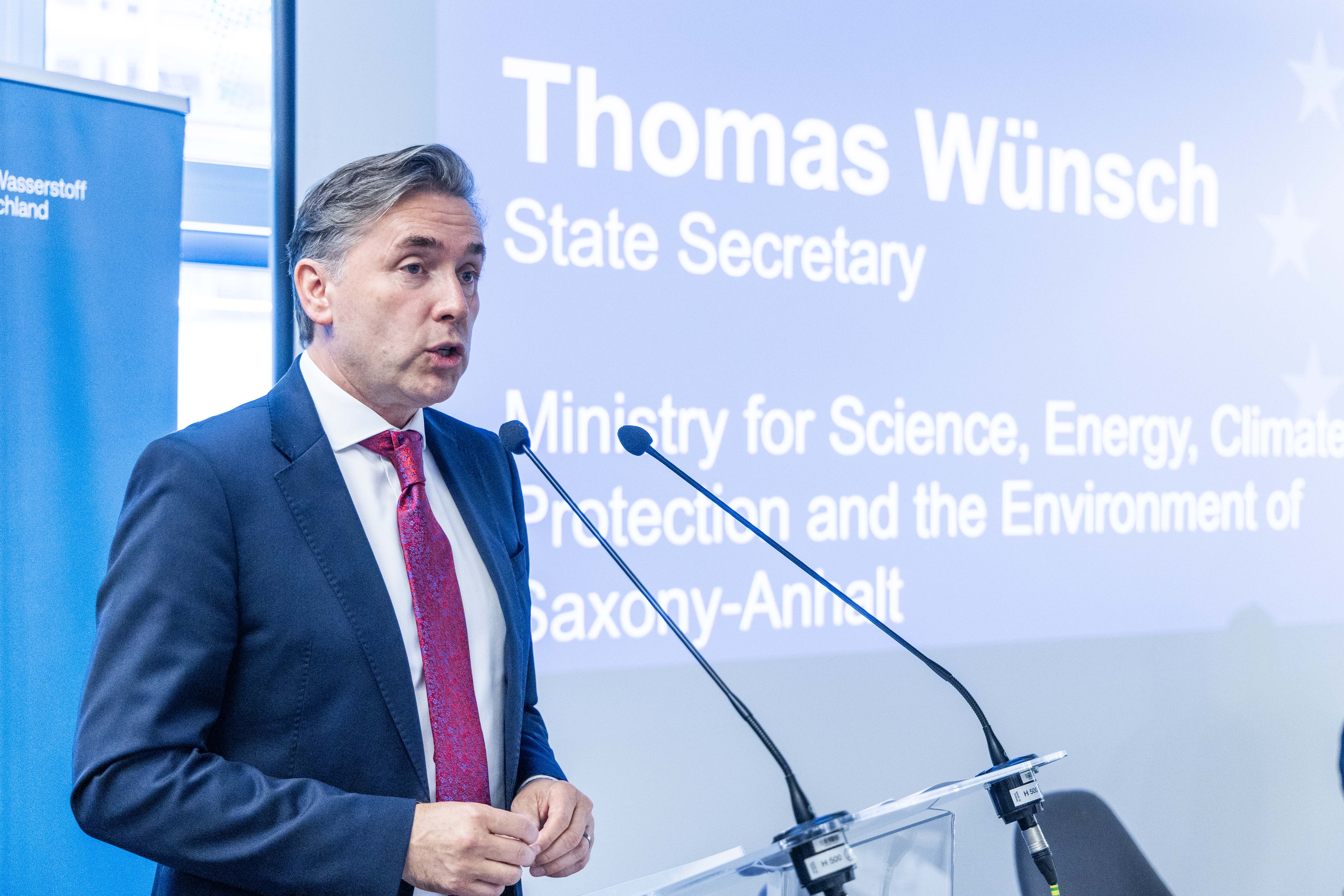
Thomas Wünsch, State Secretary at the Ministry for Science, Energy, Climate Protection and the Environment of Saxony-Anhalt, stressed the importance of the European level for the development of the hydrogen economy. Key decisions on funding instruments, regulation and investment conditions are made in Brussels. It is therefore all the more important to represent the interests of the eastern German hydrogen regions jointly to the European institutions.
Dr. Felix Groba, Board member of the Initiative for Hydrogen in Eastern Germany (IWO), emphasized the alliance’s role as a joint platform for the eastern German states. The IWO brings together the expertise and interests of the participating federal states and thus creates the basis for coordinated cooperation in building an efficient hydrogen economy. The aim is to showcase eastern Germany’s strengths and jointly shape European and national frameworks.
European Perspective on the Hydrogen Scale-up
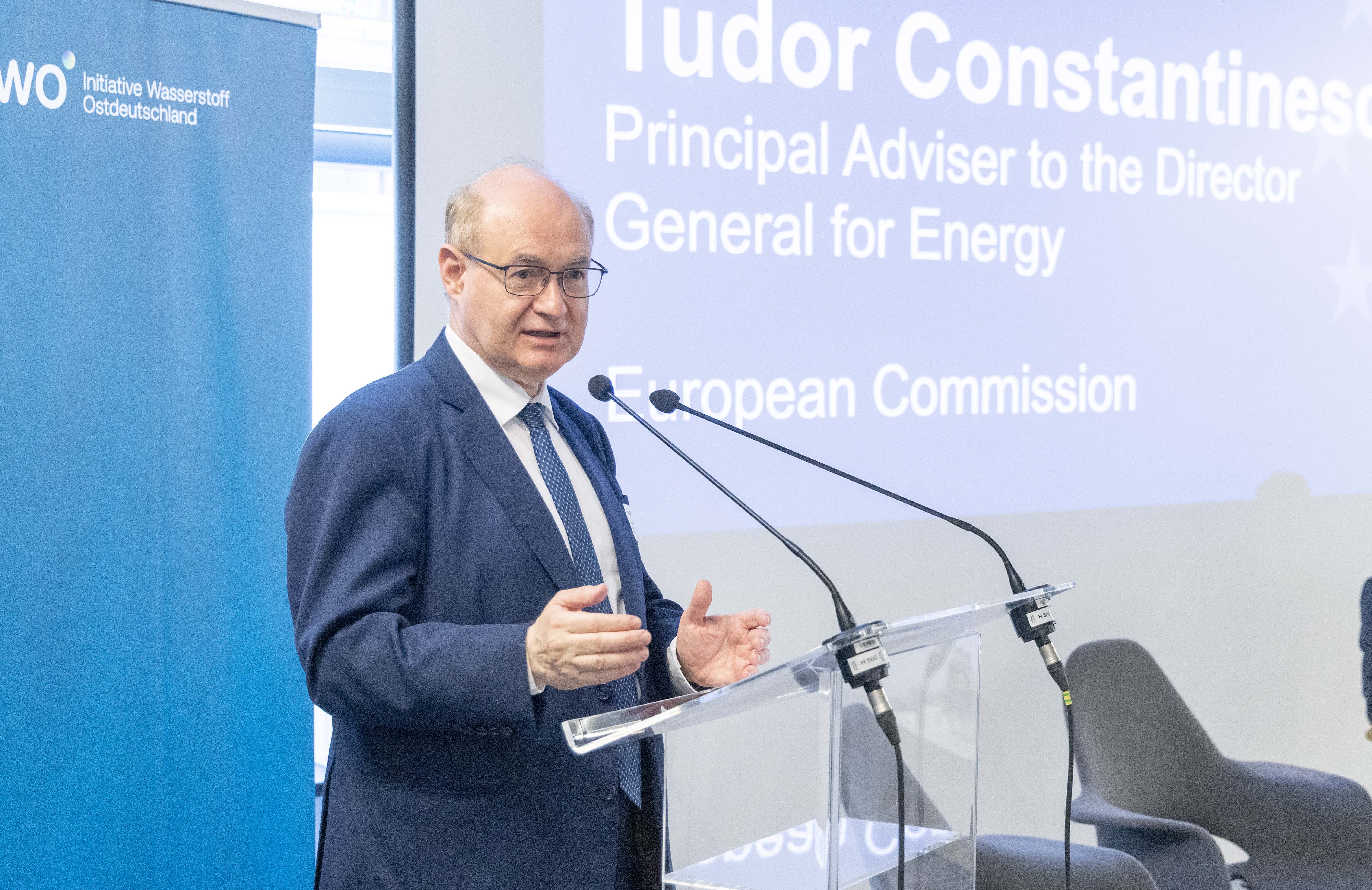
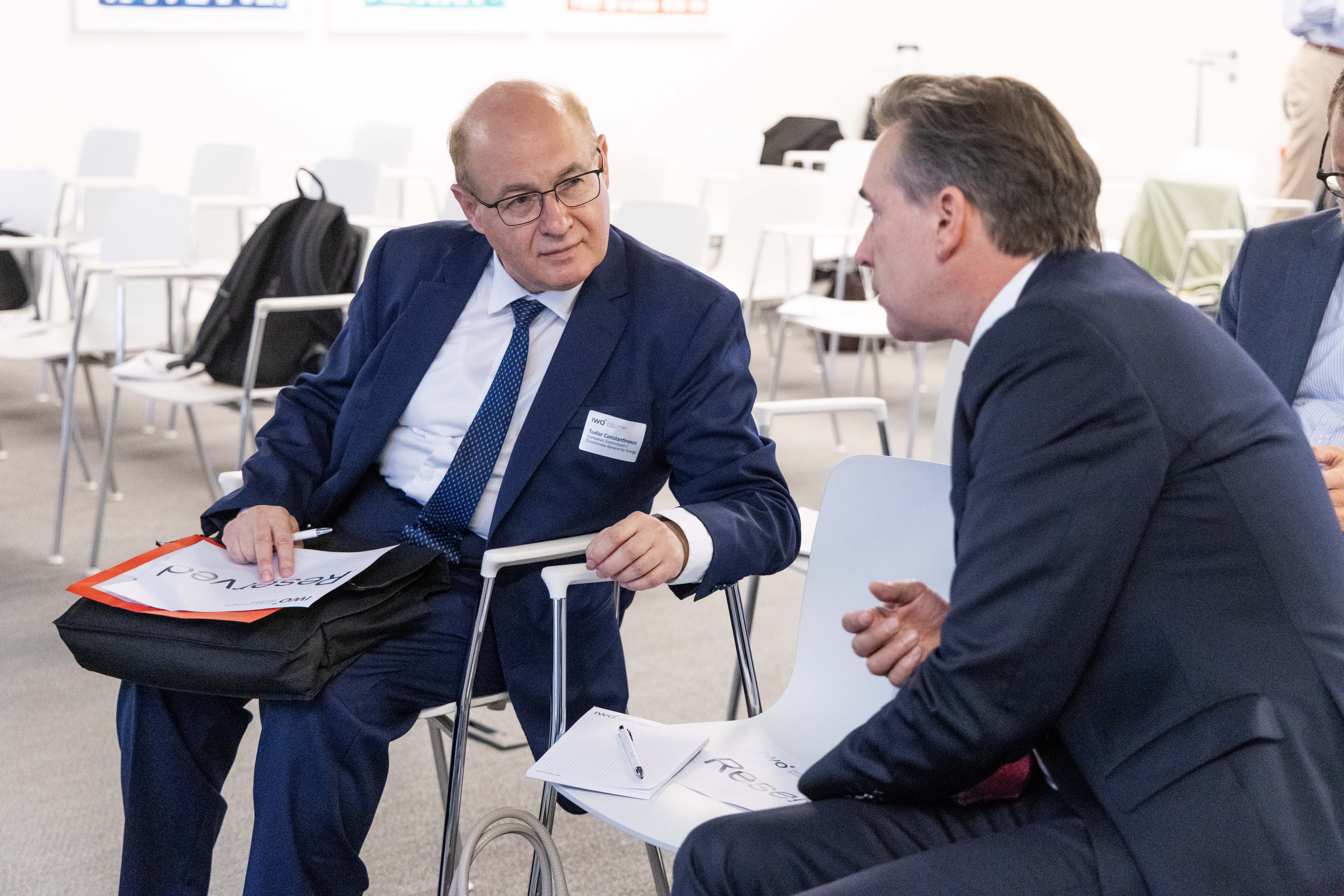
In his keynote, Tudor Constantinescu, Principal Adviser to the Director-General of the Directorate-General for Energy of the European Commission, outlined the role of hydrogen in European energy and industrial policy. He reviewed the state of the hydrogen scale-up in Europe and presented current EU measures to promote production, infrastructure and regional hydrogen projects.
Eastern German Projects Demonstrate the Breadth of the Hydrogen Economy
Following the presentations, representatives from all six eastern German federal states showcased concrete hydrogen projects across the entire value chain.
For Berlin, GASAG presented the development of the Berlin hydrogen starter network. ENERTRAG presented its plans for producing renewable hydrogen and sustainable fuels in Brandenburg. H2APEX demonstrated Lubmin’s development into a central hydrogen hub in Mecklenburg-Western Pomerania. ONTRAS presented the H₂-starter network in Saxony. VNG showcased the Bad Lauchstädt Energy Park, an electrolyzer project in Saxony-Anhalt that is nearing commissioning. For Thuringia, TH2ECO outlined prospects for building a regional hydrogen ecosystem.
The examples made clear the momentum that has developed in eastern Germany in recent years and the contribution the region can make to the European hydrogen scale-up. “The projects presented clearly demonstrated eastern Germany’s potential for the hydrogen scale-up,” said Härle. “To turn this potential into additional investment and value creation, companies need planning certainty and competitive framework conditions.”
Investments Need Reliable Framework Conditions
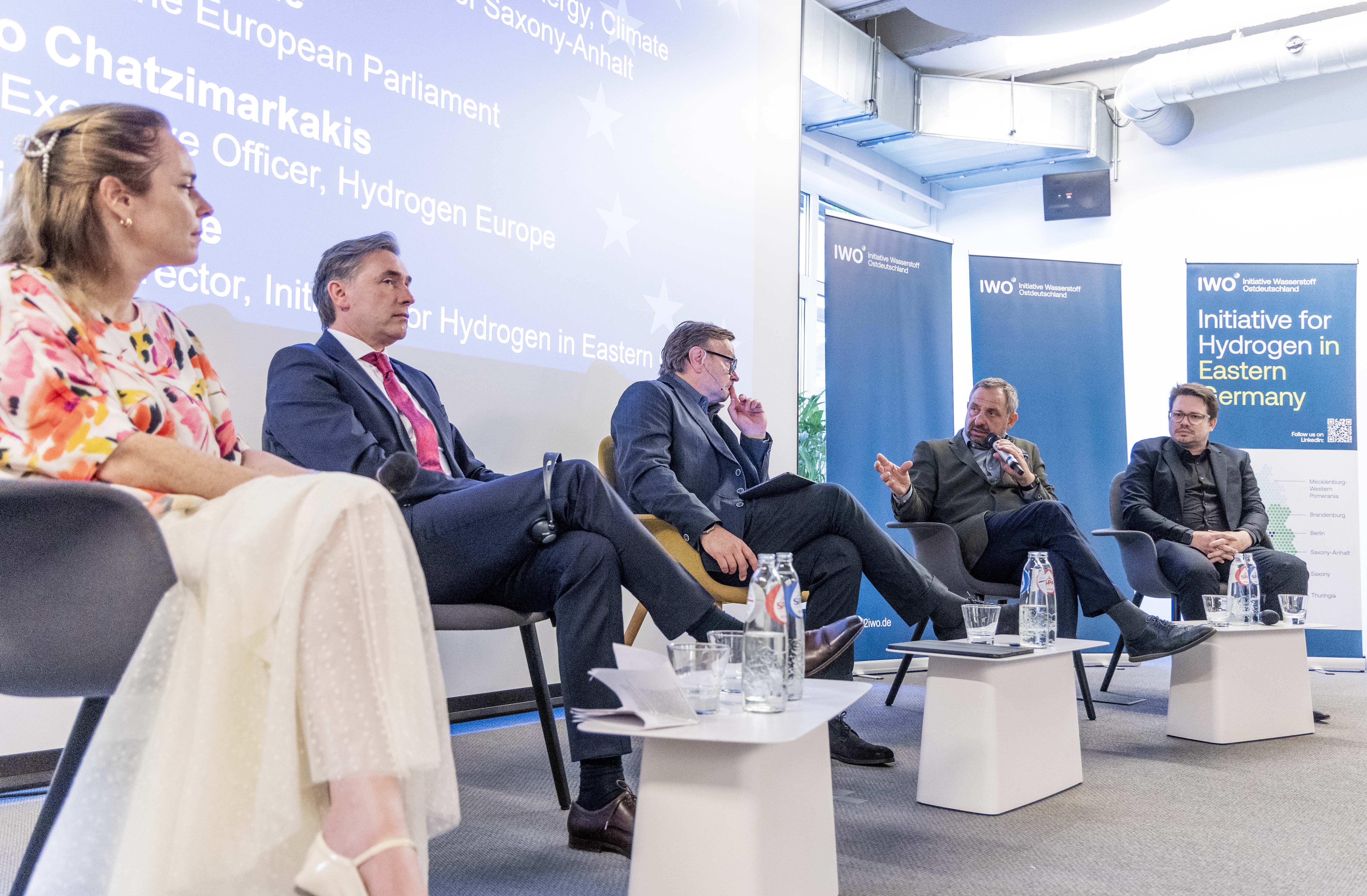
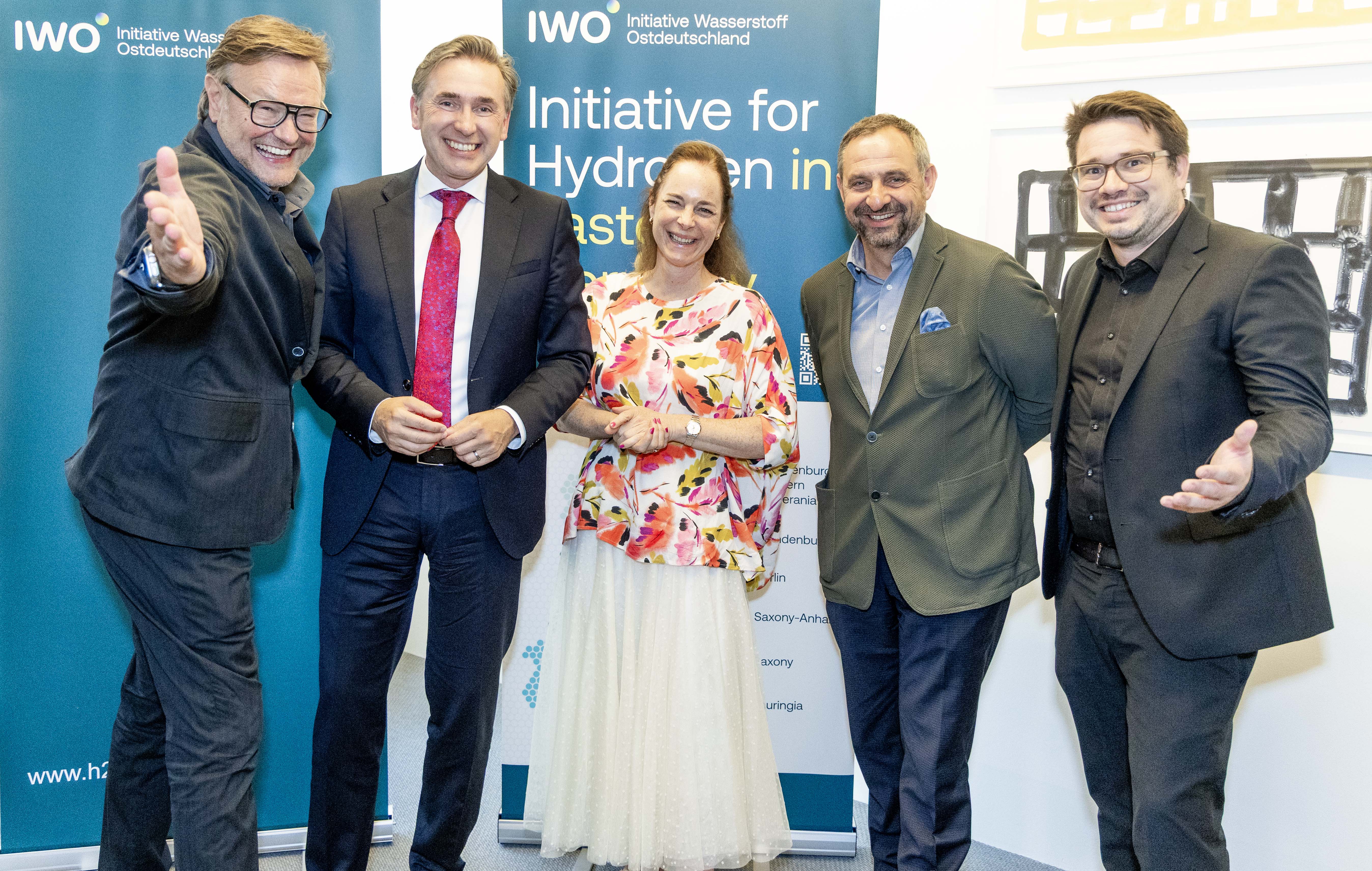
In the closing panel, Thomas Wünsch, State Secretary at the Ministry for Science, Energy, Climate Protection and the Environment of Saxony-Anhalt; Hildegard Bentele, Member of the European Parliament; Jorgo Chatzimarkakis, Chief Executive Officer of the European hydrogen association Hydrogen Europe; and IWO Managing Director Dominik Härle discussed the impact of European regulations on investment decisions in the hydrogen economy.
The panel agreed that current regulatory requirements for renewable hydrogen unnecessarily hinder market ramp-up. In particular, the RFNBO rules, with their requirements for additionality and temporal correlation, are too rigid in their current form and are slowing investments. As a result, hydrogen production is falling behind other applications. The European Commission’s announced revision of these rules was therefore welcomed as an important step. From the panelists’ perspective, the requirements must become more practical so that investments can be implemented faster and hydrogen projects can operate economically.
At the same time, the panelists emphasized that European funding instruments, such as IPCEI projects and infrastructure programs, provide important impetus for building a hydrogen economy. Hydrogen can make a decisive contribution to making the European Union’s energy supply more resilient and independent. However, pragmatic political decisions and prompt action are required.
In the context of resilience, the importance of technological value creation was also highlighted. The panelists pointed to eastern Germany’s diverse competencies in hydrogen technologies, which should be leveraged more strongly in building a European hydrogen economy.
Another focus was the development of a high-performance hydrogen infrastructure. The financing of European grid expansion must be clarified promptly. An efficient hydrogen network is crucial for Europe’s competitiveness and a central prerequisite for investment across the entire value chain. Accordingly, the announced European Grids Package was given great importance by the panelists.
With the Policy Dialogue, the IWO brought the perspectives of the eastern German hydrogen regions directly into the European debate. The event made clear that eastern Germany has the necessary prerequisites to play a central role in building a European hydrogen economy. It also became clear: a successful scale-up requires reliable political frameworks, rapid infrastructure expansion and regulation that enables, rather than hinders, investment.
A United Voice of the Eastern German States
The Initiative for Hydrogen in Eastern Germany (IWO) is the joint platform of the six federal states in eastern Germany to advance the hydrogen economy across state borders. It brings together regional expertise and strengths from Berlin, Brandenburg, Mecklenburg-Western Pomerania, Saxony, Saxony-Anhalt and Thuringia. The federal government supports the initiative as a network member.
Photos: © Lode Saidane